
A lawprof wants to apply federal labor law to discourage reality-TV programming involving kids.
Archive for August, 2009
When lawyers’ blogs proclaim their expertise
Readers need to be careful, says John Day.
Discovery overreach in Prop 8 battle?
According to LawDork, proponents of California’s Proposition 8 are planning to engage in some seriously broad discovery [PDF, see pages numbered 11-12] in their defense of the law against constitutional challenge:
We plan to develop evidence that many gay and lesbian individuals desire to have biological rather than adopted or foster children, and that many satisfy these desires with the assistance of technology or by other means. We will seek discovery of the names of Californians in registered domestic partnerships with the parents listed on birth records from the Department of Health’s Office of Vital Records (which maintains birth records) and the Secretary of State’s Office (which maintains domestic partnership records). We may also seek discovery from companies and organizations that offer assisted reproductive technology and services to develop evidence on this issue.
Translated, this seems to mean they will make public records officials cough up the information needed to cross-check California birth against domestic-partnership records to “catch” people whose names appear in both data sets and thus appear likely to be gay parents. In case that doesn’t do the trick, they want to force assisted-reproduction clinics to disclose information about their clientele. Wow.
P.S. In answer to several questions, no, Ted Olson and I are not related.
Best Buy mistakenly offers high-end TV for $9.99
And a New Jersey lawyer hopes to hold them to it via lawsuit, despite a “we will not honor typos” clause in the retailer’s announced policy. [ABA Journal]
Waxman, Stupak demand info from health insurers
A compulsory subpoena could follow if they don’t fork over information on “compensation of highly paid employees” and “expenses stemming from any event held outside company facilities in the past 2 1/2 years”, among other topics. As AP notes, industries that vocally support, rather than oppose, health care reform aren’t targets of the investigation. More: Politico.
Voting Rights Act expert Abigail Thernstrom…
…is guestblogging this week at Volokh.com.
Include recent family photo, “political beliefs” with application
Elie Mystal at Above the Law thinks a Decorah, Iowa “Trial Lawyers for Justice” plaintiff’s firm might want to consider including an “equal opportunity employer” tagline in its hiring announcement. Update: Firm defends its position.
More on the patent suit against Twitter
Apparently plaintiff TechRadium asserts patent rights over emergency notification systems, and Twitter came into its cross-hairs because, among its many, many other uses, it permits municipalities and other users to warn affected persons of emergencies. [Elefant, Legal Blog Watch; earlier]
Update: animal-tagging runs into Senate setback
Following an outcry from various sectors of the farm community, the U.S. Senate may have slowed or even broken the momentum toward federally sponsored numbering and tagging of farmyard animals. 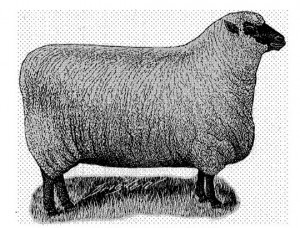 The upper house embraced “an amendment sponsored by Sen. Jon Tester, D-Mont., and Sen. Mike Enzi, R-Wyo., that slashes funding for the U.S. Department of Agriculture’s National Animal Identification System by one-half in the 2010 agriculture appropriations bill.” [AgWeek, Drovers] NAIS, or the National Animal Identification System, has been promoted on (among other grounds) improving “traceability” of food safety problems. Earlier coverage here, here, etc.
August 18 roundup
- Tiananmen Square events echo today in acrimonious defamation suit against filmmakers [Boston Globe]
- Andrew Ferguson disrespectful toward David Kessler’s nanniferous book on obesity policy [Weekly Standard]
- “Yes, People Dislike The RIAA Because Of Its Actions” [TechDirt]
- The big difference race makes in medical school admissions [Discriminations, Mark Perry/Carpe Diem]
- Texting, workplace flirtation and sexual harassment law [Forbes/MSNBC]
- After real estate firm grabs and uses online pic, photographer finds satisfaction through small claims court [West Seattle Blog h/t @VBalasubramani]
- Virginia: latest case seeking to open emotional-distress damages for death of pets gets help from former White House counsel Lanny Davis [WaPo, earlier]
- Brazil police allege that host of true-crime TV series ordered killings to ensure good footage for the show [AP]