
Yaugeni Kralkin injured himself jumping out the back of a speeding ambulance in Staten Island, and now he wants money from New York City, its fire department and four emergency workers. “Mr. Kralkin was incredibly drunk, with a blood-alcohol level so high he was unaware of his actions, he says, even as he unbuckled straps and ultimately dived from the vehicle, according to his lawyer. The emergency medical workers failed in their duty to protect him, the lawsuit contends, even from himself, in his inebriated state.” [Sarah Maslin Nir, New York Times]
Posts Tagged ‘personal responsibility’
N.J.: “Drunken driver hurt in crash sues bars for serving him alcohol”
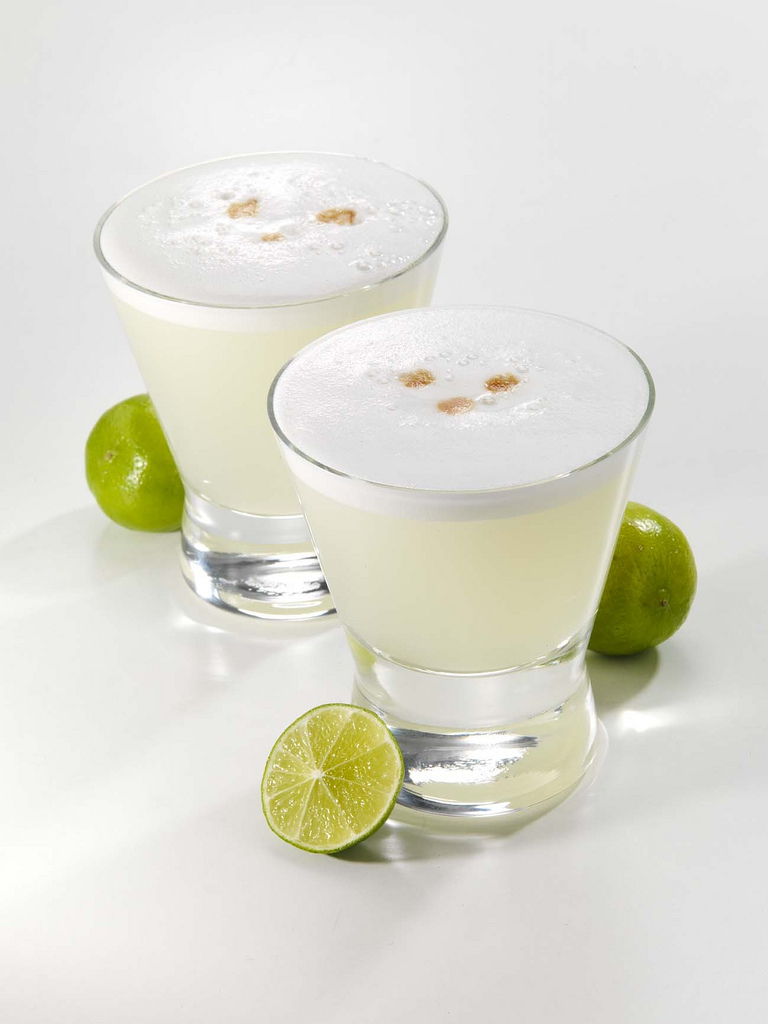 “Antonio Salomon-Merlino of Carlstadt claims in a lawsuit he drank several Tequila-based drinks at two bars before crashing his motorcycle in Lodi. He alleges he was visibly intoxicated but the bars served him anyway.” [NJ.com] “He was definitely intoxicated,” said his lawyer. “In addition to the businesses, Salomon-Merlino is suing the borough of Lodi for allegedly failing to keep Outwater Lane in good repair and free from hazardous or dangerous conditions.”
Image: Thomas S. on Flickr, reproduced unchanged, Creative Commons license.
“College bro blames school for his drunken punching rampage”
“A New Jersey man convicted of randomly punching fellow students at a Massachusetts university is now suing Endicott College, claiming the school was lax in enforcing underage drinking laws.” [Joshua Rhett Miller, New York Post]
“Engineer who fell asleep sues Metro-North over derailment”
“An engineer who fell asleep at the controls of a Metro-North train and caused a derailment that killed four people in New York City sued the railroad… saying its negligence and carelessness led to the accident” [CBS News, Westchester County, N.Y. Journal News] Related: New York Post (he gets pension).
“The 10 most ridiculous lawsuits of 2016”
The Chamber of Commerce’s picks for the honor include a Georgia jury’s finding a woman only 8 percent responsible for her $161,000 injuries as she walked into a ladder while texting on her cellphone, a student’s complaint that the College Board omitted from SAT scoring a section where a typo had led some students to get extra time, and a would-be class action against MasterCard for not pulling down a cancer-research promotion at once when the $30 million fundraising target had been met. [New York Post]
Worker: employer shouldn’t have let me drive off under influence
Sent to us by John Ross of the peerless Short Circuit: “Man takes unknown drug he ordered online, reports to work. He’s uncommunicative, ‘slow’ and told to call it a day. He drives home and gets into an accident. Did his employer have a duty to stop him from driving? Tennessee Court: No.” [Thompson v. Best Buy Stores, Nov. 28]
“Man pleads guilty in auto crash, then sues city alleging police siren and lights distracted him”
“A man who pleaded guilty to reckless driving in a suburban Chicago accident that injured multiple people last year is now pursuing a lawsuit over the crash.” William Kivit contends in his Cook County lawsuit that the city of Park Ridge “is to blame for the accident, because a city police officer distracted him by activating his siren and lights, causing him to run a red light and strike a car that was legally proceeding through the intersection.” The pursuing officer was himself found to have violated city policy on high speed chases and was terminated; a “police investigation had determined that Kivit was traveling between 79 and 90 mph at the time of the crash.” [ABA Journal]
“Mom sues Target over ‘hazardous’ giant red balls outside store”
“A New Jersey mom is hitting Target right where it hurts with a $1.6 million lawsuit that claims her son was seriously injured while playing on one of the large, red, concrete balls that are situated outside many of its stores.” [New York Post]
More from B. Hill, in comments: “And then someone will sue Target for removing the balls and not having devices in place to prevent cars from crashing through the front doors.”
“Former Taco Bell Exec Sues Uber Driver He Attacked For $5 Million”
“The Taco Bell exec who got canned from his job after he was caught on video drunkenly attacking his Uber driver is suing the driver for $5 million. … The suit says that it’s against California state law to record someone without their consent.” A lawyer for Uber driver Edward Caban says plaintiff Benjamin Golden’s lawyer is incorrectly invoking the California law, which he says bans audio but not video recording. [LAist]
N.B. Note reader David C.’s advice in comments that the privacy suit appears to be a counterclaim to an existing lawsuit by the driver, always an important piece of context, and that the in-car tape recorded both audio and video of the incident.
More on aunt v. nephew
Missed this last month: Charlotte Allen dissects how the case of the aunt suing her nephew over a hug gone wrong (covered here, here, and here) played out in the press and public opinion. [Weekly Standard]